Tips to Turn Scrap Tires into Profit: A Scalable Roadmap for Tire Recyclers
According to data from the U.S. Tire Manufacturers Association, the U.S. tire industry generates a $259.5 billion annual economic footprint, supporting nearly 936,000 jobs across manufacturing, distribution, and retail while generating over $35 billion in tax revenue.
Growing Need for Tire Recycling Businesses
Demand continues to rise nationwide. The growing popularity of heavy SUVs and electric vehicles (EVs) accelerates tire wear, increasing both new tire sales and the volume of scrap tires that require recycling. (Mordor Intelligence)
For businesses operating in the tire or refuse industries, disposing of waste tires is a persistent drain on the bottom line. State tire recycling and environmental fees, combined with tipping charges, add up quickly.
However, forward-thinking operators are turning this ongoing liability into a diversified revenue stream by bringing shredding and processing in-house.
Tire Shredding Costs & Revenue Potential
To enter the tire processing market, tire shops and refuse centers do not need multi-million-dollar facilities. A simple setup consisting of a primary shredder and two conveyors can transform scrap tires from an expense into a reliable income stream.
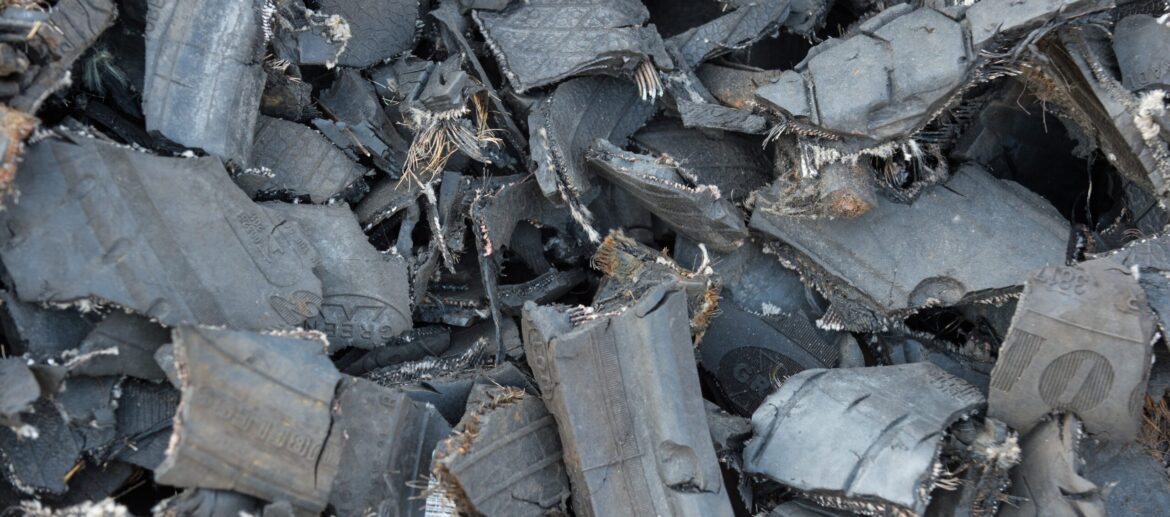
With an all-in capital investment under $500,000, you can cut whole tires into pieces accepted by landfills or process them into tire-derived aggregate (TDA) sold by the ton. Instead of paying fees to dispose of your tires, you can charge other businesses to accept theirs.
The Risk of Over-Investing Too Early
A common barrier for prospective operators is the high upfront cost of full-scale recycling plants. Systems designed to produce niche products such as crumb rubber, rubber mulch, or wire-free tire-derived fuel (TDF) require millions of dollars in capital expenditure.
These specialized end-markets can be volatile, fluctuating with shifting political, economic, and commodity pressures. They are generally better suited for established firms with the capital reserves to ride out market dips.
In contrast, the supply of waste tires is constant. Millions of passenger and commercial tires are removed from vehicles daily. Keeping your operation lean and focused on primary volume reduction builds a foundation for long-term profitability.
Core Operational Tips for Long-Term Profitability
- Build Around Local Framework Regulations: Review your state environmental codes before starting a tire shredding business. Permit processing may range between 3 to 9 months, and facility layout standards (such as stormwater runoff management) could influence site planning logistics.
- Strategic Local Partnerships: Secure long-term pickup contracts with local independent tire retailers, auto repair shops, commercial fleet yards, auto dealerships, and local city waste stations, and state abatement cleanups.
- Pricing considerations: Secure your inbound revenue channels by charging competitive tipping fees to secure inbound revenue while guaranteeing a processing volume.
- Be Smart – Start Lean by Investing in High-Quality Primary Equipment: A setup consisting of a heavy-duty primary shredder and one or two conveyors allows you to launch for an all-in capital investment under $500,000. This converts whole scrap tires into landfill-accepted pieces or TDA sold by the ton.
The Barclay Modular Growth Strategy
Investing in dependable, heavy-duty machinery ensures your foundation remains solid as you scale. Introducing a primary shredder allows you to launch operations without excessive debt, securing immediate ROI while establishing your local customer base. As demand grows, you can expand your system incrementally.
Building a profitable tire recycling enterprise does not require purchasing a multi-million-dollar full processing line on day one.
Barclay’s modular equipment framework allows plant owners to start lean with basic primary shredding, generate immediate cash flow from tipping fees, and expand into advanced secondary reduction as contracts mature.
Scaling Your Tire Recycling Equipment for Maximum ROI
Scaling your operation step-by-step ensures capital expenditure aligns with verified buyer demand. Rather than taking on millions in debt for a volatile product market, this phased approach delivers predictable returns at every stage.
No matter how far your operation expands, your heavy-duty primary tire shredder remains an indispensable asset at the front of your tire business line, delivering consistent, heavy-duty processing power.
Build a Foundation for Long-Term Success
Thinking big picture starts with investing in equipment you can depend on indefinitely. By taking a measured, phased approach with Barclay Shredders, you build a sustainable foundation that protects your bottom line today while positioning your business for expansion tomorrow.
Ready to get started? Contact Barclay Shredders today to learn how our heavy-duty shredding systems can help you turn waste tires into a reliable profit center.